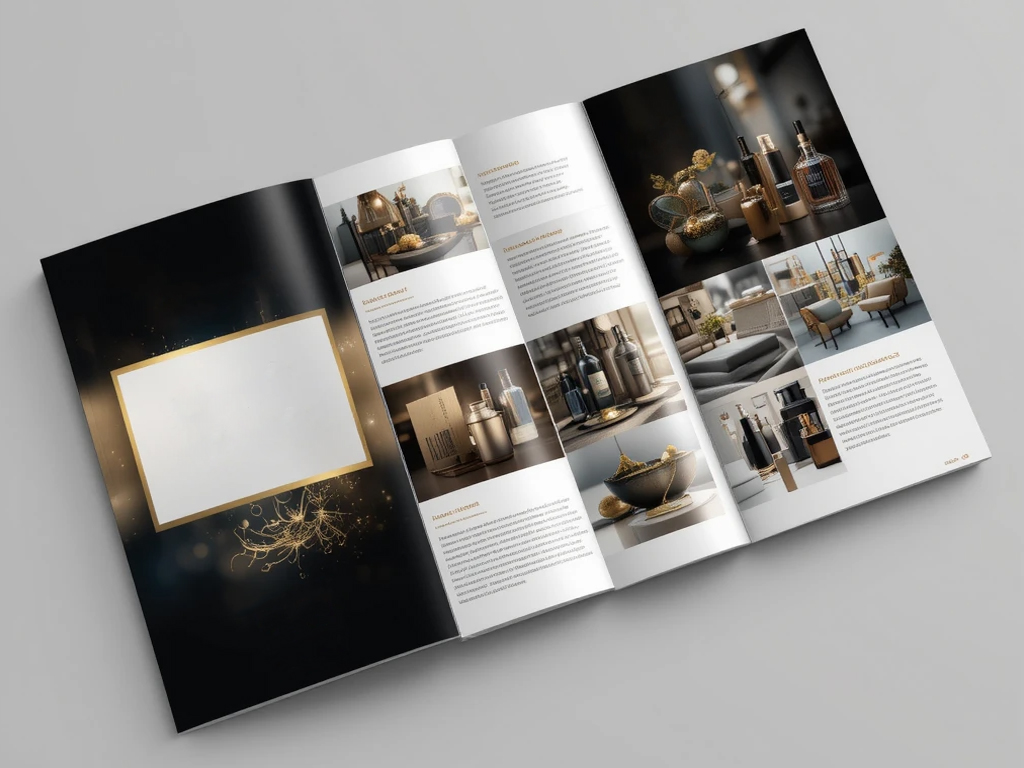
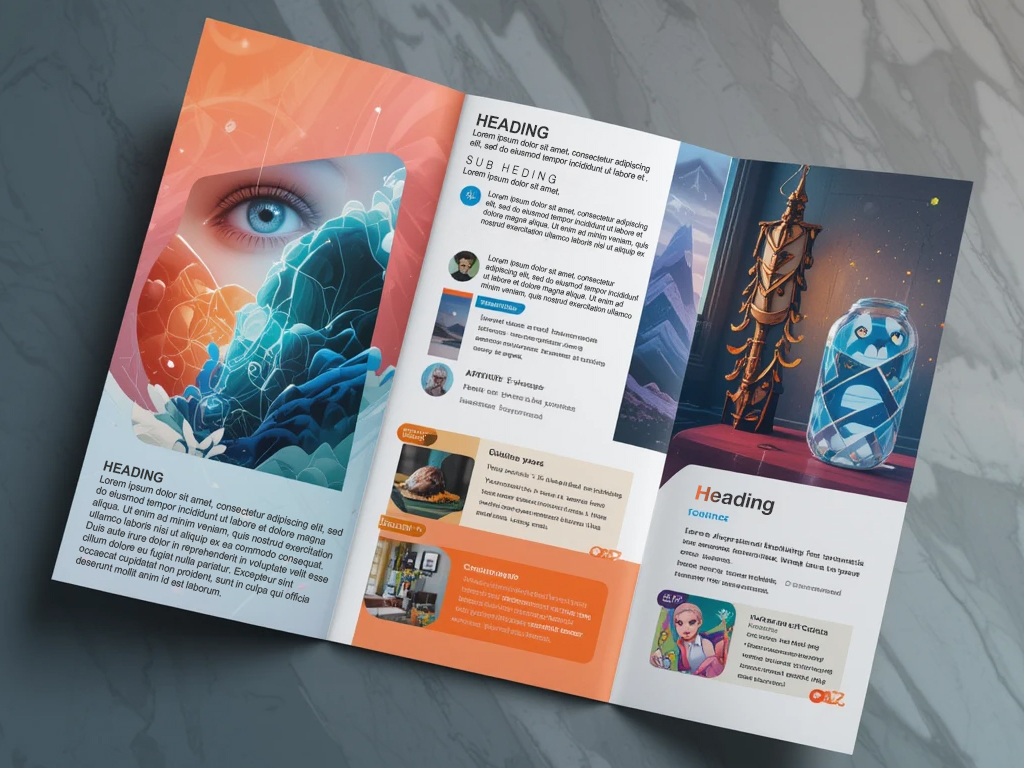
In today’s marketing landscape, flyers remain a powerful tool for businesses looking to promote their products, services, or events. Whether you choose digital or print format, flyers offer a direct way to communicate your message to potential customers. Digital flyers are electronic versions distributed online through email, social media, or websites, while print flyers are physical, tangible materials handed out or posted in various locations.
The decision between digital and print flyers can significantly impact your campaign’s success. Each format has unique strengths and weaknesses that make them suitable for different audiences and purposes. Understanding when and how to use each format effectively is crucial for maximizing your marketing efforts.
Understanding Digital Flyers
Digital flyers, also known as e-flyers, offer several distinct advantages that make them an attractive option for modern marketing campaigns.
Advantages of Digital Flyers:
- Cost-effectiveness: Digital flyers eliminate printing and distribution costs, making them budget-friendly for businesses of all sizes.
- Global reach: They can be shared instantly across various online platforms, reaching audiences worldwide without geographical limitations.
- Easy distribution: The distribution process is just a few clicks away and can be completed within minutes.
- Trackable performance: Digital flyers allow you to measure engagement through analytics, helping you refine your marketing strategy.
- Interactive elements: You can incorporate links, videos, slideshows, and other interactive features to enhance engagement.
- Environmentally friendly: They contribute to a more eco-friendly approach by eliminating paper waste.
- Easily editable: You can quickly update information or promotions without costly reprints.
Effective Digital Flyer Formats:
- Social media posts: Optimized for platforms like Instagram, Facebook, and LinkedIn
- Email newsletters: Sent directly to your subscriber list
- Website banners: Featured prominently on your website
- Interactive PDFs: Including clickable elements and multimedia
- Mobile app notifications: Reaching users directly on their devices
Digital flyers provide the reach and engagement you need if your audience is very active on the internet, especially social media.
Understanding Print Flyers
Despite the digital revolution, print flyers maintain their relevance and effectiveness in many marketing scenarios.
Advantages of Print Flyers:
- Tangibility: Physical flyers create a tactile experience that can leave a lasting impression.
- Trust factor: People often trust printed materials more than digital content, especially when they look professional.
- Targeted distribution: They can be strategically placed or handed out in specific locations to reach your target audience.
- No technology barriers: Print flyers are accessible to everyone, including those who aren’t tech-savvy.
- Longer retention: Physical flyers can be kept for future reference, extending the lifespan of your marketing message.
- Building relationships: They can help establish sustainable relationships with customers and business partners.
- Local impact: Print flyers are particularly effective for local businesses targeting their immediate community.
Effective Print Flyer Formats:
- Handouts: Distributed directly to potential customers
- Direct mail: Sent to targeted mailing lists
- Bulletin board postings: Placed in community spaces
- Door hangers: Left at residences in specific neighborhoods
- Event programs: Distributed at conferences, trade shows, or local events
Print flyers are frequently more efficient and accessible for audiences that might not be as proficient in technology, such as elderly people or those living in rural areas.
When to Use Digital Flyers
Digital flyers shine in specific scenarios where their unique characteristics can be leveraged for maximum impact.
Ideal Situations for Digital Flyers:
- Online campaigns: When your marketing strategy is primarily digital
- Events with digital audiences: Virtual conferences, webinars, or online workshops
- Limited budget campaigns: When cost-effectiveness is a priority
- Time-sensitive promotions: When you need to distribute information quickly
- Global reach requirements: When targeting audiences beyond your local area
- Campaigns requiring frequent updates: When information changes regularly
Tips for Maximizing Digital Flyer Impact:
- Add interactive elements: Include discount codes, embedded videos, or social media buttons to boost engagement.
- Optimize for mobile viewing: Ensure your flyer displays properly on smartphones and tablets.
- Use analytics: Track performance metrics to understand what works and refine your approach.
- Create shareable content: Design flyers that recipients will want to forward to others.
- Leverage multiple channels: Distribute your digital flyers across various platforms for wider reach.
- Include clear calls-to-action: Make it easy for viewers to take the next step, whether it’s visiting your website or making a purchase.
When to Use Print Flyers
Print flyers excel in scenarios where physical presence and direct interaction are valuable components of your marketing strategy.
Ideal Situations for Print Flyers:
- Local events: Community gatherings, farmers markets, or neighborhood festivals
- Trade shows and conferences: Where face-to-face interaction is expected
- Direct mail campaigns: Targeting specific households or businesses
- Local business promotions: When focusing on your immediate geographic area
- Older demographic targeting: When reaching audiences less comfortable with digital media
- Complementing digital campaigns: As part of an integrated marketing approach
Tips for Maximizing Print Flyer Impact:
- Choose quality materials: Invest in good paper stock and professional printing for a positive impression.
- Strategic distribution: Place flyers where your target audience is likely to see them.
- Include QR codes: Bridge the gap between print and digital by adding scannable codes linking to your website or special offers.
- Focus on design: Use bold colors and eye-catching visuals to stand out.
- Keep it simple: Limit your color choice to two or three and make the information easy to read.
- Always print in color: Avoid black and white unless your design specifically requires it.
- Include your logo: Always use your company logo to reinforce brand recognition.
Designing Digital Flyers
Creating effective digital flyers requires understanding the unique elements that drive online engagement.
Key Design Elements for Digital Flyers:
- Clear purpose: Define what you want to achieve with your flyer before designing it.
- Attention-grabbing headline: Create a popping headline that catches the reader’s eye immediately.
- Motivating content: Craft persuasive copy that encourages viewers to take action.
- High-quality visuals: Use striking images that complement your message.
- Interactive features: Incorporate clickable elements like buttons, links, or forms.
- Mobile responsiveness: Ensure your design works well on all screen sizes.
- Balanced layout: Create a visual hierarchy that guides the viewer’s eye through the content.
- Brand consistency: Maintain your brand colors, fonts, and overall aesthetic.
Tools and Software for Creating Digital Flyers:
- Canva: User-friendly design platform with numerous templates
- Adobe Spark: Professional design tool with social media integration
- Flipsnack: Specialized platform for creating interactive digital publications
- Crello: Design tool with animated elements for dynamic flyers
- PicMonkey: Image editing and graphic design software
Designing Print Flyers
Print flyer design requires consideration of physical elements that impact how your message is received in the real world.
Key Design Elements for Print Flyers:
- Professional appearance: Create a polished look that builds trust with potential customers.
- Clear main points: Keep information concise and easy to read with bold, large type.
- Strategic color use: Limit your palette to 2-3 colors that enhance readability.
- Quality images: Use high-resolution photos and graphics that print clearly.
- Proper spacing: Allow for white space to prevent a cluttered appearance.
- Appropriate size: Choose dimensions that suit your distribution method.
- Contact information: Clearly display how potential customers can reach you.
- Strong call-to-action: Tell readers exactly what you want them to do nex.
Tools and Software for Creating Print Flyers:
- Adobe InDesign: Professional layout software for print materials
- Microsoft Publisher: Accessible design tool for business publications
- Affinity Publisher: Cost-effective alternative to InDesign
- Lucidpress: Collaborative design platform with brand templating
- Canva: Online design template tool specifically for print materials
SEO Optimization Strategies
When publishing content about flyers online, proper SEO optimization helps ensure your article reaches its intended audience.
Keyword Integration:
- Use 1-2 long-tail keywords: Focus on specific phrases like “digital flyer design tips” or “when to use print flyers”.
- Distribute keywords naturally: Incorporate keywords throughout your content in a way that sounds natural, aiming for one keyword every 300 words.
- Add semantic keywords: Include related terms like “flyer marketing,” “promotional materials,” or “advertising flyers”.
- Avoid keyword stuffing: Ensure your content reads well for humans first, search engines second.
Technical Optimization:
- Optimize meta descriptions: Include keywords in your meta description to improve click-through rates.
- Add alt text to images: Describe your flyer examples and design visuals with keyword-rich alt text.
- Use proper headings: Structure your content with H2 and H3 tags to organize information logically.
- Internal linking: Connect to related content on your site to improve navigation and build SEO value.
- External linking: Link to authoritative sources about flyer design and marketing.
Conclusion
Both digital and print flyers have their unique strengths in today’s marketing landscape. Digital flyers excel in cost-effectiveness, reach, and interactivity, making them ideal for online campaigns and tech-savvy audiences. Print flyers offer tangibility, targeted distribution, and universal accessibility, perfect for local events and building personal connections.
The most effective approach often combines both formats, leveraging the strengths of each to create a comprehensive marketing strategy. By understanding when to use each type and how to design them effectively, you can maximize your marketing impact and reach your target audience wherever they are.
Before creating your next flyer campaign, carefully assess your marketing goals, target audience, budget constraints, and distribution capabilities. This evaluation will help you determine whether digital flyers, print flyers, or a combination of both will best serve your needs and deliver the results you’re looking for.